How to Keep Rodents Out of Your House in Florida This Fall
How to keep rodents out of your house in Florida this fall comes down to exclusion, sanitation, and treatment when needed. Rodents look for shelter, food, and water as outdoor conditions shift in fall, and homes with accessible entry points, food access, or moisture become primary targets. Sealing gaps at the roofline, soffit vents, plumbing penetrations, and garage door edges closes the routes rodents actually use. Reducing outdoor food (birdseed, fallen fruit, pet food left out) removes the attraction. Professional exclusion identifies gaps homeowners miss and combines removal, sanitation, and prevention into a single coordinated approach.
How to Keep Rodents Out of Your House: The Fall Priority
Fall is when rodent pressure on Florida homes peaks, and it is when the exclusion work homeowners can do actually matters most. Outdoor food sources shrink as temperatures drop, natural shelter degrades, and rodents that spent the summer in surrounding landscape start looking for the warmer, drier, food-adjacent conditions homes provide. This shift happens over roughly four to six weeks, and homes with accessible entry points during that window are the ones that end up hosting rodents through the winter.
The window matters. Homes that are exclusion-tight going into fall rarely develop the kind of established interior rodent activity that requires trapping and remediation to resolve. Homes with visible gaps at the roofline, deteriorated weatherstripping, or unsealed utility penetrations often see rodents move in during that four to six week window and then have to be dealt with over the following months, which is meaningfully more work than the exclusion itself would have been.
This is the useful framing for how to keep rodents out of your house this fall: it is a timing question as much as a technique question. The work that is worth doing in mid-September to early October reduces the probability of the situation that would require professional trapping and attic remediation in November through February. Both approaches solve the problem eventually, but exclusion before the pressure peaks is the one that avoids the interior situation entirely.
Why Fall Drives Florida Rodent Activity Even Without a Cold Winter
Florida does not have the hard winters that drive rodent migration in colder climates, and this leads some homeowners to underestimate fall rodent pressure locally. What actually drives fall rodent activity in Florida is the shift in outdoor food and habitat conditions rather than temperature directly. Late summer and early fall are when outdoor fruit finishes ripening, when landscape vegetation begins to thin, and when the surrounding ecosystem shifts away from the abundance that supported summer populations.
Rodents respond by seeking more reliable food and shelter, and residential structures are the largest concentrated source of both in the landscape. Attic spaces provide warm, dry, undisturbed shelter. Garages provide access to any food stored there. Kitchens accessible through gaps offer the most reliable food source available anywhere in the environment. Homes with any accessible route to these resources become primary targets during the seasonal transition.
This is why exclusion work done in early fall is meaningfully more effective than the same work done in winter after infestations have established. The pressure is highest during the transition period, and homes that are tight going into it rarely see the situation that homes with open access develop.
Roof Rats vs. House Mice: The Species That Matter in Florida
Roof rats (Rattus rattus) are the primary rodent concern in Florida's older established neighborhoods with mature tree canopy. As the name suggests, they are excellent climbers, and their preferred travel routes are elevated: tree branches touching roofs, power lines, fence lines, and any structural feature that connects landscape to structure. They enter homes through gaps at the roofline, soffit vents, where roof pipes penetrate the roof, and around chimney flashing. Adults reach eight to ten inches in body length plus a longer tail, and they are more slender than the Norway rats found more commonly in colder climates.
House mice (Mus musculus) are the other primary rodent, more common in newer subdivisions where surrounding land clearing has displaced them and where tighter construction has fewer overhead entry points. They can push through openings as small as a dime, which means most homes have dozens of qualifying routes. They enter primarily at ground level: gaps under garage doors, unsealed plumbing penetrations under sinks, worn weatherstripping around exterior doors, and any unsealed opening in the foundation.
The distinction matters because exclusion priorities differ. Roof rat exclusion focuses on the roofline, eaves, and any elevated openings. House mouse exclusion focuses on the ground plane, foundation, and any low-level penetrations. A homeowner not sure which species they are dealing with is a homeowner who benefits from a professional inspection because the answer changes what work is worth doing.
A free property inspection identifies the species, maps the entry points, and lays out a removal and exclusion plan that fits your home. Fall is the window where this work matters most.
Request an Inspection →Entry Points Rodents Actually Use (The Exclusion Checklist)
For roof rats, the top entry points are: gaps where the roof meets the wall at the eaves, damaged or unscreened soffit vents, openings around plumbing pipes penetrating the roof, gaps around chimney flashing, and gable vents without adequate screening. Tree branches touching the roof are the delivery route for most of these entries, and trimming back branches to leave a three-foot gap between vegetation and roofline reduces the pressure meaningfully before addressing the openings themselves.
For house mice, the top entry points are: gaps under garage doors where the weatherstripping has worn or the door does not seat flush, penetrations under kitchen and bathroom sinks where plumbing enters the wall, gaps around dryer vents where the outdoor termination has deteriorated, weep holes in stucco that lack weep hole covers, and any unsealed openings in the foundation or crawl space. Weatherstripping along the base of exterior doors and around garage doors is often the single most impactful item to address.
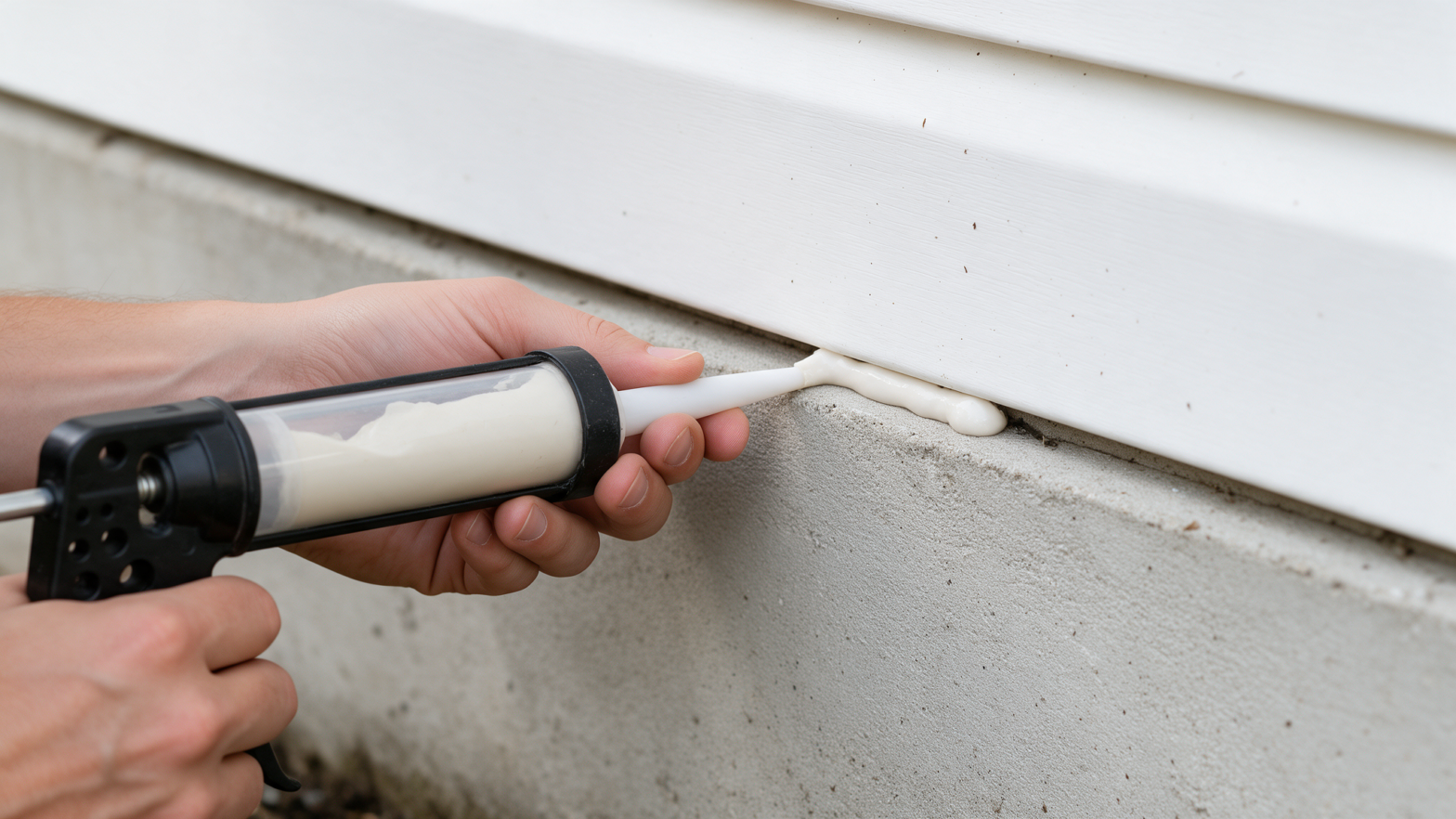
General exclusion measures that address both species include: hardware cloth over any opening larger than a quarter inch, copper mesh in weep holes and small penetrations, expanding foam around larger penetrations after mesh has closed the route to prevent chewing, and proper flashing around any roofline penetration. Steel wool works short-term but eventually rusts and fails; copper mesh is the standard for durable exclusion.
How to Keep Rodents Out of Your House: When Trapping and Baiting Fit
Exclusion alone does not resolve situations where rodents are already inside. If daylight sounds in the attic, droppings in the garage, or gnaw marks on food packaging indicate active interior activity, the exclusion work needs to be paired with removal. Trapping is the reliable removal approach for interior rodents: snap traps or professional-grade multi-catch traps placed on travel routes eliminate the interior population before the exclusion seals the routes rodents used to enter.
Exterior baiting has a role in rodent programs but should be handled by professionals with tamper-resistant stations and appropriate bait selection. Consumer-grade rodenticide use in Florida has produced significant secondary poisoning problems in native wildlife (owls, hawks, snakes), and many veterinary practices have seen dogs and cats poisoned by consumed rodents that were baited nearby. Professional programs use bait selection and station design that minimize both secondary poisoning risk and access by children or pets.
The reliable sequence is: identify the species, close the accessible entry points, remove the interior population, verify the removal through monitoring, and maintain the exclusion. Skipping any step, particularly attempting exclusion before removal, tends to trap rodents inside where they die in walls and cause the odor problems homeowners spend significant money resolving after the fact.
How Saela's Rodent Program Actually Works
Saela's rodent service starts with an inspection matched to the specific situation. Our licensed technicians identify the species through droppings, tracks, damage patterns, and any live activity observed. Entry points get mapped across the exterior perimeter, roofline, and any interior areas where rodents are accessing food or nesting sites. Any active interior population is documented for the removal plan.
The removal phase uses professional-grade trapping placed at identified travel routes, monitored across the treatment period, and adjusted based on activity data. For situations warranting exterior bait stations, tamper-resistant units are placed at exterior locations where they cannot be accessed by children or pets, using bait selection that minimizes secondary poisoning risk. Interior trapping is preferred for situations where the population is contained inside the structure.
Once removal is complete and verified, exclusion work seals the identified entry points using copper mesh, hardware cloth, and appropriate sealing materials. Ongoing service maintains the exterior perimeter and monitors for any new activity, backed by the Saela Service Guarantee covering re-service between visits. For families with children or pets, the specific product and station selection is discussed and adjusted based on the household situation before any treatment begins.
Saela's rodent program combines identification, professional trapping, targeted exclusion, and ongoing prevention. Family and pet-safe approaches with the Saela Service Guarantee behind the work.
Get a Free QuoteFall is when rodent pressure peaks, and exclusion work now prevents winter interior problems. Contact Saela for a free property inspection.
How to keep rodents out of your house in Florida this fall comes down to timing the exclusion work before pressure peaks, matching the approach to the species, and pairing exclusion with removal where interior activity has already established. The four to six week window from mid-September through October is when the work is most valuable, and homes that are exclusion-tight going into it rarely develop the interior situations reactive treatment addresses. Any homeowner is welcome to a free property inspection to identify where their home stands going into the season.
Frequently Asked Questions
The reliable approach is: identify the species (roof rats vs. house mice), seal accessible entry points with hardware cloth or copper mesh, remove any interior population through trapping, and maintain ongoing exterior treatment to reduce outdoor pressure. Roof rat exclusion focuses on the roofline and elevated openings. House mouse exclusion focuses on the ground plane and foundation. Skipping any step, particularly attempting exclusion before removal, tends to produce trapped rodents dying in walls.
Fall is when outdoor food sources shrink and habitat conditions shift, driving rodents to seek more reliable shelter and food. Residential structures provide the largest concentrated source of both in most landscapes. Attic spaces offer warm, dry, undisturbed shelter, and kitchens accessible through gaps offer the most reliable food source in the environment. Homes with accessible entry points during the four to six week fall transition become primary targets.
Roof rats are larger (eight to ten inches body length plus long tail), excellent climbers, and enter homes through elevated openings like soffit vents, roofline gaps, and around chimney flashing. House mice are much smaller (three to four inches), can push through openings as small as a dime, and enter primarily at ground level through gaps under garage doors, plumbing penetrations, and worn weatherstripping. Different exclusion priorities apply to each.
For small mouse populations caught early, homeowner snap traps and thorough exclusion can resolve the situation. For roof rat infestations, established populations, attic activity, or any situation involving structural damage, professional help is meaningfully more effective and typically less expensive over the full course of the treatment than repeated DIY attempts. Any use of consumer-grade rodenticides warrants extreme caution given secondary poisoning risks to pets and native wildlife.
For most residential rodent situations, active trapping typically takes two to four weeks to fully eliminate the interior population, with the exact timeline depending on the population size and access conditions. Exclusion work happens once the interior population is confirmed removed. Ongoing service maintains protection thereafter. The Saela Service Guarantee covers re-service if activity develops between visits.