How to Tell If You Have Termites or Wood Rot (And Why It Matters)
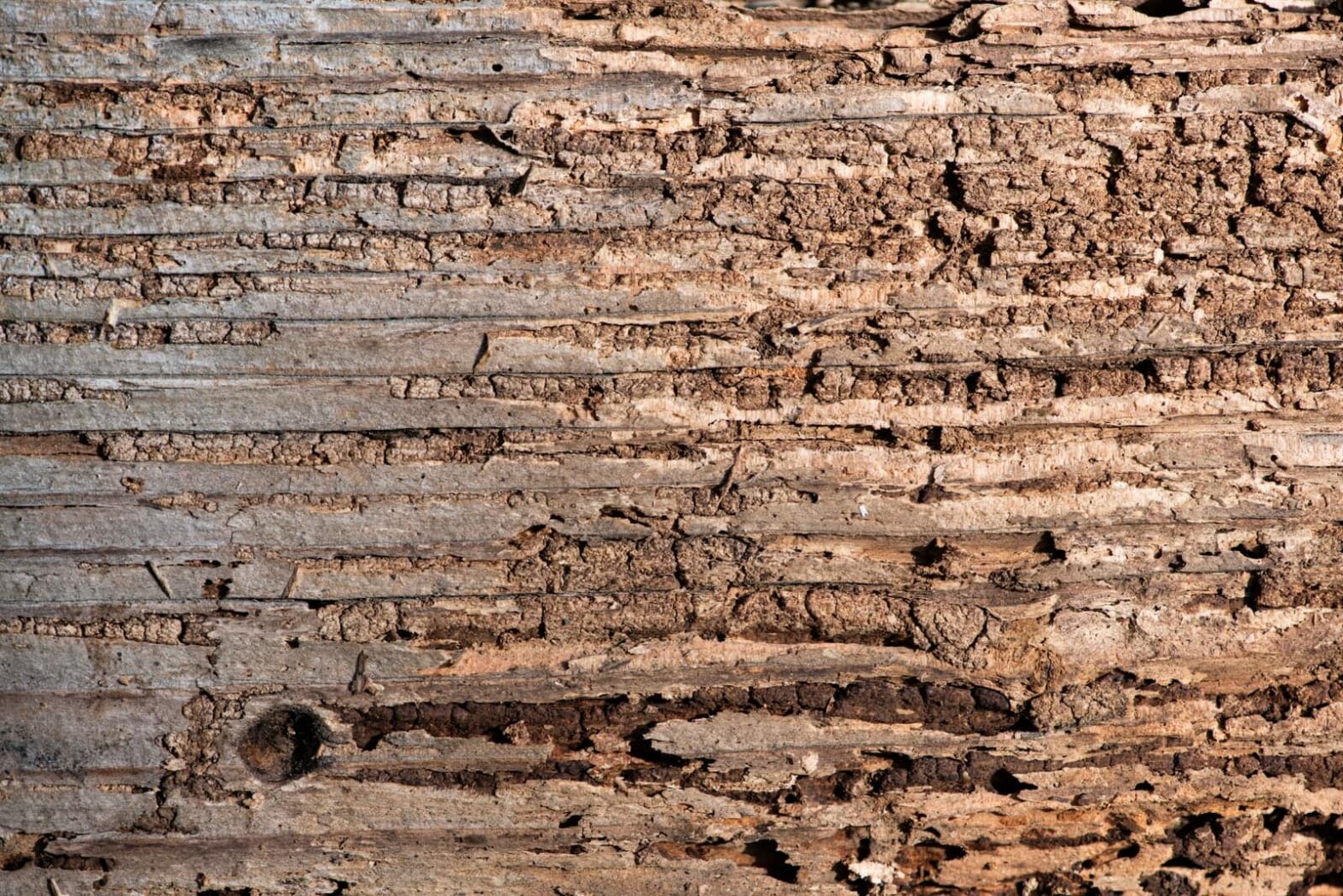
Termites or wood rot can be distinguished by several visual and physical signs. Termite damage follows the grain of the wood in galleries, with clean smooth tunnel walls, mud or fecal debris inside, and often paper-thin remaining surface that masks interior destruction. Wood rot typically shows across the grain, with crumbly fibrous texture, visible fungal staining (brown, white, or black), moisture presence, and a characteristic musty smell. Both can coexist on the same wood, and both warrant professional inspection, but the treatment implications differ: termites require active treatment of the colony, while wood rot requires addressing the moisture source and replacing affected material.
Termites or Wood Rot: Why the Distinction Matters
Termites or wood rot is a question that deserves accurate diagnosis because the two conditions require completely different responses and because misdiagnosing either produces worse outcomes than no action at all. Termite damage reflects an active pest colony that is continuing to cause damage until treated. Wood rot reflects a moisture problem that will continue damaging adjacent wood until the moisture source is addressed and affected material is replaced. Treatment for one does nothing to address the other.
The two conditions commonly coexist. Moisture problems that produce wood rot also create the softer wood that subterranean termites prefer, and termite activity in moisture-affected wood can accelerate rot by creating pathways for additional water penetration. Homes with visible damaged wood often have both conditions present at once, which is why professional inspection matters: the diagnostic goal is identifying both conditions where present, not forcing the finding into one category or the other.
The practical cost implications also differ. Termite treatment ranges from several hundred to several thousand dollars depending on the approach (bait station systems versus liquid treatment) and the size of the colony. Wood rot remediation involves identifying and fixing the moisture source (roof leak, plumbing issue, grading problem), replacing affected structural material, and addressing any adjacent framing weakened by the rot. Costs can run into five figures for extensive structural rot. Early diagnosis of either condition typically produces meaningfully less expensive outcomes than waiting for symptoms to become unmistakable.
How to Tell If You Have Termites: The Visual Signs
Termite damage has specific visual characteristics that distinguish it from other wood deterioration. Subterranean termites eat the softer early-growth wood along the grain, producing galleries that run with the grain of the lumber. Breaking open damaged wood reveals clean smooth-walled tunnels that often contain mud or soil material (which the termites use to maintain moisture and connection to the ground) and fecal pellets. The galleries have a distinctive layered appearance when viewed in cross-section.
The exterior surface of termite-damaged wood often looks nearly intact while the interior has been extensively consumed. Tapping suspicious wood produces a hollow sound when the interior has been eaten out. A screwdriver or awl pushed into the surface penetrates easily if the wood has been damaged. The remaining surface can be paper-thin, which is why visible damage often indicates infestation that has been active for months or years before the signs become evident.
Other termite indicators include mud tubes running up foundation walls, interior walls (particularly in garages and crawl spaces), or anywhere that connects soil to wood. These tubes are pencil-thin to thicker, often moist when active, and are the subterranean termites' means of maintaining ground connection. Swarmer wings collected on windowsills, in cobwebs, or on floors indicate mature colony activity. Drywood termite activity produces distinctive six-sided fecal pellets below infested wood that look like coarse sand or coffee grounds.
How to Tell If You Have Wood Rot: The Visual Signs
Wood rot has its own distinctive characteristics driven by the fungi that cause it. The damaged wood typically has a crumbly fibrous texture rather than the clean galleries of termite damage. Pressing a finger or tool against rot-affected wood produces an easily crumbled surface, with the wood breaking in irregular patterns across the grain rather than following it. The texture is often described as cheese-like or spongy.
Visible fungal growth often accompanies active rot. Brown rot produces a characteristic brownish discoloration and shrinks the wood into cubical blocks as it dries. White rot leaves the wood looking bleached or whitish, with a stringy fibrous texture when probed. Soft rot appears as a dark staining with surface cracking. Each type of rot is driven by specific fungal species, but for diagnostic purposes, any visible fungal discoloration combined with crumbly texture indicates active rot.
Moisture is the defining condition for wood rot and the key diagnostic sign. Rot requires wood moisture content above roughly 20 percent to develop and sustain itself, which means any rotting wood has or has had a moisture source. The source may be obvious (visible roof leak, plumbing drip) or hidden (slow leak behind a wall, condensation inside a wall assembly, poor grading directing rainwater against the foundation). A characteristic musty smell often accompanies active rot, particularly in enclosed spaces like crawl spaces or wall cavities.
A free property inspection identifies whether termite activity, wood rot, or both are present and lays out the appropriate response. No pressure to commit, just an honest diagnostic assessment.
Request a Free Inspection →Termites or Wood Rot: The Combined Situations
Many damaged wood situations in Florida homes involve both termite activity and wood rot together, which is why professional inspection matters more than homeowner self-diagnosis. Moisture-weakened wood is particularly attractive to subterranean termites because the softer tissue is easier to tunnel through. Termite activity in moisture-affected wood accelerates rot by creating additional pathways for water and fungal spore penetration. The two conditions reinforce each other.
The practical implication for homes with visible wood damage: assume both may be present until inspection confirms otherwise. Finding mud tubes does not mean the moisture problem has been ruled out. Finding visible rot does not mean termites are absent. Treating one condition without addressing the other produces incomplete results that typically require return visits and additional work to fully resolve.
Homes with any moisture history (historic roof leaks, plumbing issues that have been fixed but produced damage before repair, grading problems that direct water toward the foundation) are at particularly elevated risk for both conditions. These homes benefit from inspection even without visible symptoms because both termite activity and ongoing rot development can be present without obvious surface signs.
When to Request a Professional Inspection
Any of the following warrants professional inspection: visible damaged wood of unknown cause, mud tubes anywhere on the foundation or interior walls, swarmer wings collected on windowsills or in cobwebs, fecal pellet accumulations below wood structures, hollow-sounding or easily-penetrated wood, visible fungal staining, musty smells in enclosed spaces, any known or suspected moisture source (recent or historic), and homes approaching the end of pre-construction termite treatment warranty periods.
The inspection itself produces useful diagnostic information whether or not treatment is ultimately needed. Our licensed technicians examine the accessible foundation, wood framing where visible, exterior perimeter, interior for active or historic infestation, and any identified damage for cause. Findings and recommendations are walked through with the homeowner. The inspection is free at Saela with no obligation to proceed with any treatment.
For homes with existing termite protection (bait stations, liquid treatment warranty), the inspection also assesses current protection status and identifies any need for renewal or supplementary coverage. For homes with no history of termite protection, the inspection establishes a baseline for the property that informs any decision about ongoing coverage going forward.
How Saela Approaches Diagnosis and Treatment
Saela's termite and wood diagnosis service starts with thorough inspection by a licensed technician. We identify active termite activity, assess wood damage patterns to distinguish termite from rot where both are suspected, locate moisture sources where rot is present, and document findings for the homeowner. Any uncertain diagnosis gets flagged honestly rather than forced into a treatment recommendation.
For confirmed termite activity, treatment follows the approach appropriate to the species: bait station systems (Sentricon and similar) for most residential subterranean situations, liquid treatment (Termidor and similar) where the property fits that approach, and specialty treatments for Formosan and drywood species where identified. Every termite treatment plan is matched to the specific property and situation rather than defaulting to a preset package.
For wood rot, the honest recommendation is often that the primary need is addressing the moisture source and replacing affected material, which falls outside pest control scope. We will identify the rot, flag the apparent moisture source, and recommend appropriate structural or restoration contractors where needed. Treating termites in rot-affected wood without addressing the underlying moisture produces incomplete results, so coordination between pest control and structural work is often what the property actually needs.
This honest scoping of what pest control can and cannot address is part of how the ongoing service relationship should feel. A company that treats every damaged wood situation as a termite problem to be solved by its own services, regardless of actual cause, is not serving the homeowner's interests. Clear diagnostic communication, including when the issue falls outside pest control scope, is standard practice and should be expected of any professional service. The Saela approach is built on this transparency, since 2001.
Saela installs and services both bait station systems and liquid treatment approaches. Every plan starts with an inspection and includes the Saela Service Guarantee behind the work.
Get a Free QuoteSuspect termite activity or wood damage in your home? Contact Saela for a free inspection and honest diagnosis.
Termites or wood rot is a diagnostic question that deserves accurate answers because the two conditions require completely different responses. Termite damage shows galleries following the grain, mud or fecal debris, and paper-thin remaining surface. Wood rot shows crumbly texture across the grain, fungal staining, and moisture presence. Many Florida homes have both conditions present at once, which is why professional inspection produces meaningfully better outcomes than homeowner self-diagnosis. The Saela team handles the diagnostic work and the termite treatment that follows.
Frequently Asked Questions
Termite damage follows the grain of the wood with clean smooth tunnel walls, mud or fecal debris inside, and often a paper-thin remaining surface. Wood rot shows crumbly fibrous texture across the grain, visible fungal staining (brown, white, or black), moisture presence, and often a musty smell. Both can coexist on the same wood. Any uncertain diagnosis warrants professional inspection because treatment approaches differ completely.
Yes, commonly. Moisture-weakened wood is particularly attractive to subterranean termites because the softer tissue is easier to tunnel through. Termite activity in moisture-affected wood accelerates rot by creating additional pathways for water penetration. Treating one condition without addressing the other produces incomplete results, so professional inspection that identifies both conditions where present is important for homes with visible damaged wood.
Termite inspections at Saela are free with no obligation to proceed with treatment. The inspection produces useful diagnostic information about current termite activity, any historic damage, protection status for homes with existing coverage, and conditions supporting future risk. Homeowners approaching the end of a pre-construction termite treatment warranty, or with any visible signs of damage, benefit from inspection whether or not treatment turns out to be needed.
Wood rot requires wood moisture content above roughly 20 percent to develop. Common sources include roof leaks (active or historic), plumbing drips and slow leaks, condensation inside wall assemblies, poor exterior grading that directs rainwater toward the foundation, and crawl space moisture problems. Florida's humidity contributes to the baseline conditions but does not by itself cause rot without one of these specific moisture sources. Treating rot requires addressing both the fungal damage and the underlying moisture.
Rotted wood should be addressed promptly because the fungi continue damaging adjacent material as long as moisture is present. The sequence that produces durable results: identify and fix the moisture source first (roof leak, plumbing, grading), allow the area to dry thoroughly, remove and replace affected structural material, and treat adjacent material if any termite activity is also present. Rushing to replace wood without fixing the moisture source produces repeat failure.