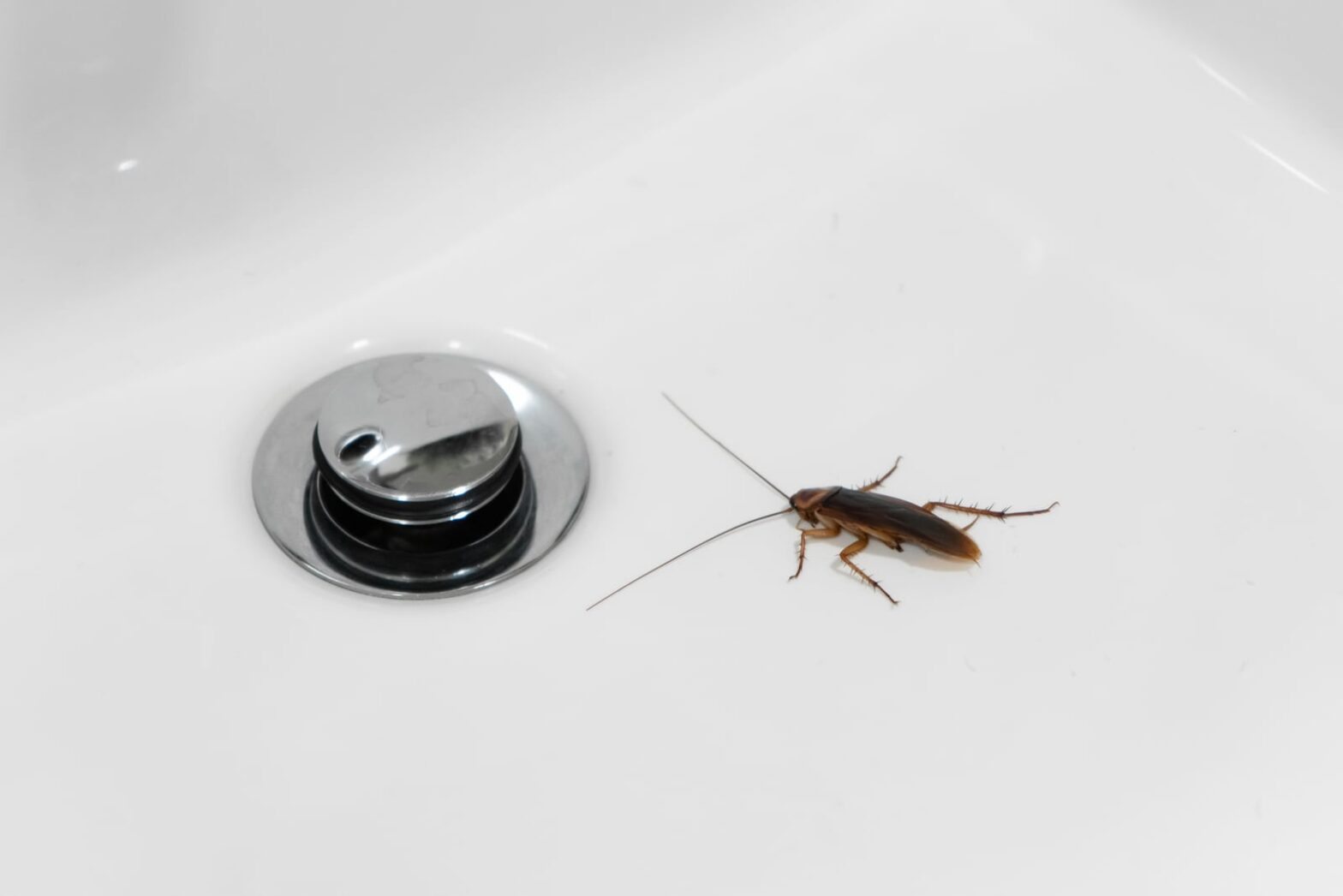
What Causes Roaches in a Clean House? Florida Pest Truths
What causes roaches in a clean house in Florida comes down to how roaches actually enter and establish, which has less to do with household cleanliness than most homeowners assume. American cockroaches enter from outside through drains, plumbing penetrations, weep holes, and worn weatherstripping, driven by exterior conditions rather than interior ones. German cockroaches are typically introduced through infested boxes, used appliances, grocery bags from infested stores, and shared walls in attached housing. Treatment requires species-specific approach: targeted gel baits for German, perimeter barrier and exclusion for American. Cleanliness helps but does not prevent either species, so professional service is often needed.
What Causes Roaches in a Clean House? The Honest Answer
What causes roaches in a clean house is a question that carries a lot of weight for homeowners who find them, because the common assumption is that roaches equal dirty. This assumption is largely wrong and gets in the way of actually solving the problem. Roaches in Florida homes come from specific vectors that have little to do with household cleaning habits, and understanding the real causes clarifies what treatment actually addresses the issue.
The two species most Florida homeowners encounter operate on different mechanisms. American cockroaches, the large brown roaches that occasionally appear in kitchens and bathrooms, enter from outside through specific structural pathways. Their presence reflects outdoor conditions and building envelope condition, not interior cleanliness. German cockroaches, the smaller tan-colored roaches that produce the problematic indoor infestations, are typically introduced to the home through specific carriers (infested items brought in) rather than attracted by household conditions.
Neither species is primarily driven by household dirt or food debris, though both benefit from the resources any home provides. The practical implication is that cleaning harder and more often is not an effective roach prevention strategy on its own, which is both the honest truth and the information homeowners dealing with roaches most need to hear. Treatment that actually works addresses the specific entry vectors and biology of the species present, not generic sanitation.
How American Cockroaches Get Into Clean Homes
American cockroaches (Periplaneta americana), the large reddish-brown roaches that can reach two inches in length, live and breed primarily outdoors in Florida. Their populations exist in sewers, outdoor mulch beds, hollow trees, utility boxes, under landscape debris, and anywhere else that provides moist dark harborage. They enter homes through specific pathways: floor drains and basement drains that are infrequently used (allowing P-traps to dry out), gaps around plumbing penetrations under sinks, weep holes in stucco without weep hole covers, worn weatherstripping under exterior doors, and soffit penetrations in older construction.
The pattern of American cockroach sightings reflects this: they appear more often during hot dry weather (when outdoor conditions push populations toward moist indoor environments), after heavy rain (which floods outdoor harborage), and in rooms adjacent to the specific entry points. Finding American cockroaches in a kitchen or bathroom typically means the structure has entry points that need closing, not that the kitchen or bathroom has food attractants that need addressing.
The treatment approach follows directly from this. Interior sprays for American cockroaches produce short-term results because they address visible roaches without stopping the inflow. Exterior perimeter treatment with micro-encapsulated products reduces the outdoor population pressure near the structure. Exclusion work closing specific entry points stops the inflow. Together, these produce durable results that interior spraying alone does not.
How German Cockroaches Get Established in Homes
German cockroaches (Blattella germanica) operate on a completely different model. The species does not thrive outdoors in Florida the way it would in more sheltered environments. German cockroach infestations in residential homes almost always trace to specific introduction events: used appliances or furniture brought in from an infested source, cardboard boxes carrying egg cases from infested warehouses or grocery stores, grocery bags from stores with roach activity, deliveries from pest-active sources, or (in attached housing) movement from neighboring units through shared walls and plumbing.
Once introduced, German cockroaches establish quickly in favorable conditions: warm, moist, with harborage access near food sources. Kitchens and bathrooms are their preferred territory because of the heat, moisture, and food access those rooms provide. A single pregnant female can produce multiple generations within months, and a visible infestation often reflects a population that has been building invisibly for weeks before the first adult is seen.
The clean-house factor here is specifically relevant: cleanliness does affect how fast a German cockroach infestation grows and how large it ultimately becomes, but it does not prevent the initial introduction and does not eliminate established populations. Homes that are introduction-free stay roach-free even without exceptional cleaning. Homes that have had an introduction event develop infestations that require professional treatment to resolve regardless of how clean the home is kept.
A free property inspection identifies the species, locates the harborage or entry points, and lays out a treatment plan built for your specific situation. No shame, no judgment, just an honest assessment.
Request a Free Inspection →What Causes Roaches in a Clean House: The Structural Factors
Beyond the species-specific vectors, several structural factors affect roach pressure on any home regardless of cleaning habits. Older homes with aged plumbing have more gap development around pipe penetrations, which provides both entry points and interior harborage for American cockroaches. Attached housing shares walls, plumbing, and utility runs with neighboring units, which allows German cockroach populations to move between units even when individual units are kept clean.
Humid conditions, which Florida provides year-round, support roach activity in ways colder dryer environments do not. Moisture under sinks from slow leaks, condensation around HVAC lines, and bathroom humidity all support interior harborage. Addressing these moisture conditions reduces the carrying capacity of the home for roach populations even without any sanitation change, and this is one of the most practical steps homeowners can take if interior conditions are a factor.
The combination of structural factors and species vectors means that two clean homes can have very different roach pressure based on structural age, attached-housing dynamics, and introduction history, none of which the homeowner can address through cleaning alone. Professional treatment and structural exclusion together address what cleaning cannot.
The Treatment That Actually Works
Treatment for American cockroaches combines exterior perimeter barrier (reducing outdoor population pressure near the structure), structural exclusion closing specific entry points (drains, plumbing gaps, weep holes, weatherstripping), and interior treatment of any trail or harborage identified during inspection. Routine quarterly or bimonthly service maintains the perimeter and catches new entry conditions as they develop. One-time treatment produces short-term results; ongoing service is what prevents recurrence.
Treatment for German cockroaches is more intensive because established infestations involve multiple generations harboring in cabinet voids, behind appliances, and in wall voids near plumbing. Professional gel baits with slow-acting active ingredients (indoxacarb, fipronil, abamectin) placed at harborage locations work through colony transfer: workers pick up the bait, return to harborage, and share it with nymphs and other adults before the active ingredient takes effect. Insect growth regulator added to the treatment breaks the reproductive cycle. Elimination typically takes four to six professional visits over two to three months.
Do-it-yourself German cockroach treatment with sprays almost always makes the problem worse. Repellent sprays trigger population scatter, moving roaches to new areas of the home and expanding the infestation. Hardware store baits often lack the active ingredient concentration or formulation to penetrate established populations. Professional service is what produces elimination, and attempting self-treatment first often adds months to the eventual professional treatment timeline.
The honest timeline matters for setting expectations correctly. German cockroach elimination is not a one-visit situation even with professional treatment. The reproductive cycle, the harborage locations, and the egg case stages all require multiple treatment cycles over weeks to fully address. Homeowners who understand this upfront are better positioned to stay with the treatment through the elimination period rather than switching providers mid-treatment, which typically restarts the clock on resolution and adds cost without benefit.
How Saela Handles Roach Infestations
Saela's roach service starts with species identification and inspection to assess the specific situation. American and German cockroach infestations require different treatment approaches, and misidentifying the species produces worse results than no treatment at all. Our licensed technicians identify the species through droppings, egg cases, and any live specimens, locate harborage and entry points, and build a treatment plan matched to the specific situation.
For American cockroach situations, the Pest Protection Program handles ongoing coverage with the exterior perimeter barrier and interior work on trails or harborage. German cockroach infestations are addressed through the Upgrade Protection Program with intensive gel baiting at harborage, insect growth regulator deployment, and follow-up visits over the course of the elimination period. The Saela Service Guarantee covers re-service between visits at no additional charge.
Family and pet safety underpin product selection throughout. Gel baits are placed in crack-and-crevice locations inaccessible to children and pets, exterior barrier products bond to surfaces and dry quickly, and your technician walks through placements and re-entry timing before beginning service. Communication about expected timelines (particularly for German cockroach elimination, which takes weeks rather than days) is clear from the first visit so the household understands what to expect.
Saela's Pest Protection Program handles American cockroach prevention; the Upgrade Program addresses German cockroach infestations with professional gel baits and the follow-up visits elimination requires. Saela Service Guarantee behind every visit.
Get a Free QuoteFinding roaches despite keeping a clean home? Contact Saela for a free inspection and honest assessment.
What causes roaches in a clean house is a question that deserves an honest answer: species-specific vectors and structural factors drive the problem far more than household cleanliness does. American cockroaches enter from outside; German cockroaches are introduced through specific carriers. Both require professional treatment matched to the species, not harder cleaning. Any homeowner dealing with recurring roach activity is welcome to a free inspection and an honest conversation about what their property actually needs.
Frequently Asked Questions
Roach presence has more to do with how roaches actually enter and establish than with household cleanliness. American cockroaches enter from outside through drains, plumbing penetrations, weep holes, and worn weatherstripping, driven by exterior conditions rather than kitchen cleanliness. German cockroaches are typically introduced through infested boxes, used appliances, grocery bags from infested stores, or shared walls in attached housing. Both species thrive in Florida's humidity regardless of how clean the home is kept.
American cockroaches are large (up to two inches), reddish-brown, and live primarily outdoors; they enter homes through structural openings and are driven by outdoor conditions. German cockroaches are smaller (about half an inch), tan-colored, and establish persistent indoor infestations introduced through specific carriers like infested items brought into the home. German cockroaches reproduce faster, form much larger indoor populations, and require more intensive professional treatment to eliminate.
Yes, American cockroaches commonly enter homes through floor drains, basement drains, and infrequently-used sink drains where the P-trap has dried out. Keeping drains in regular use maintains the water seal that blocks roach entry. Drain covers with mesh inserts also help. For homes with recurring drain-based entry, exclusion work addressing the specific drains and plumbing penetrations is often needed in addition to perimeter treatment.
American cockroach treatment typically shows meaningful reduction within one to two weeks of exterior perimeter treatment, with ongoing service maintaining the result. German cockroach elimination is longer: typically four to six professional visits over two to three months because the colony structure requires multiple treatment cycles to fully address. Hardware store sprays almost always extend German cockroach timelines significantly by triggering population scatter.
Yes. Family and pet safety is central to how every service is delivered. Interior gel baits are placed in crack-and-crevice locations inaccessible to children and pets, exterior micro-encapsulated barrier products bond to surfaces and dry quickly, and all products are selected in consultation with the entomologists Saela partners with for their balance of effectiveness and safety. Your technician walks through placements and re-entry timing before beginning service.